

Retail Site Strategy
Retail Real Estate Consulting Services
Pick The Corner That Actually Sells
Foot traffic on a map does not guarantee foot traffic through your door. Our retail consultants test each site against your customer, your format, and your competitors, not just the demographic report a landlord hands you during the tour, so the location you choose actually converts passersby into paying customers.
4.9 out of 5 stars from 47 reviews
The Retail Risk
One Bad Location Can Sink A Strong Concept
Visibility, parking, and neighboring tenants shape retail performance more than the rent number ever will, and a low headline rent often comes with a site that quietly undermines every other part of the business plan. We evaluate all three before you sign, walking the property in person rather than relying solely on the landlord’s marketing package. We also spend time observing traffic patterns at different points in the day and week, since a site that looks busy during a weekday tour can be nearly empty on the weekend hours that actually drive your sales, and that difference rarely shows up in a standard demographic report.
Visibility Audit
We check sightlines, signage rights, and traffic patterns on-site, not on paper, because a listing photo rarely shows how a turn lane or a row of parked cars actually blocks your storefront.
Co-Tenancy Review
We flag neighboring tenants that could help or hurt your customer draw, along with any co-tenancy protections the current lease already grants or fails to grant.
Lease Term Analysis
We compare CAM charges, percentage rent, and exclusivity clauses across sites so the total occupancy cost is clear before you negotiate, not discovered after you sign.













Beyond The Storefront
Retail Strategy That Covers The Whole Lease Cycle
We advise on new site selection, renewal negotiations, and closures alike, so a single bad clause does not undercut years of strong sales at the register. Retail leases are rarely static once signed, since percentage rent breakpoints, co-tenancy protections, and CAM caps all get revisited at renewal, and landlords count on tenants not tracking those dates closely. Retail is one part of our broader commercial real estate consulting practice across the country, which means the same team that helps you open a location can also help you exit one that is no longer working, without starting the relationship over from scratch. Because we work across the full retail lease cycle rather than a single transaction type, we also see patterns across multiple deals in the same trade area, including which landlords tend to negotiate reasonably on CAM caps and which centers have historically struggled to hold co-tenancy commitments once an anchor tenant leaves. That context is difficult to build from a single search and comes only from ongoing work across the market.

Retail Formats We Advise On
Our retail consulting covers these property types across the region, each with its own traffic patterns, lease conventions, and site requirements that shape which locations actually work.
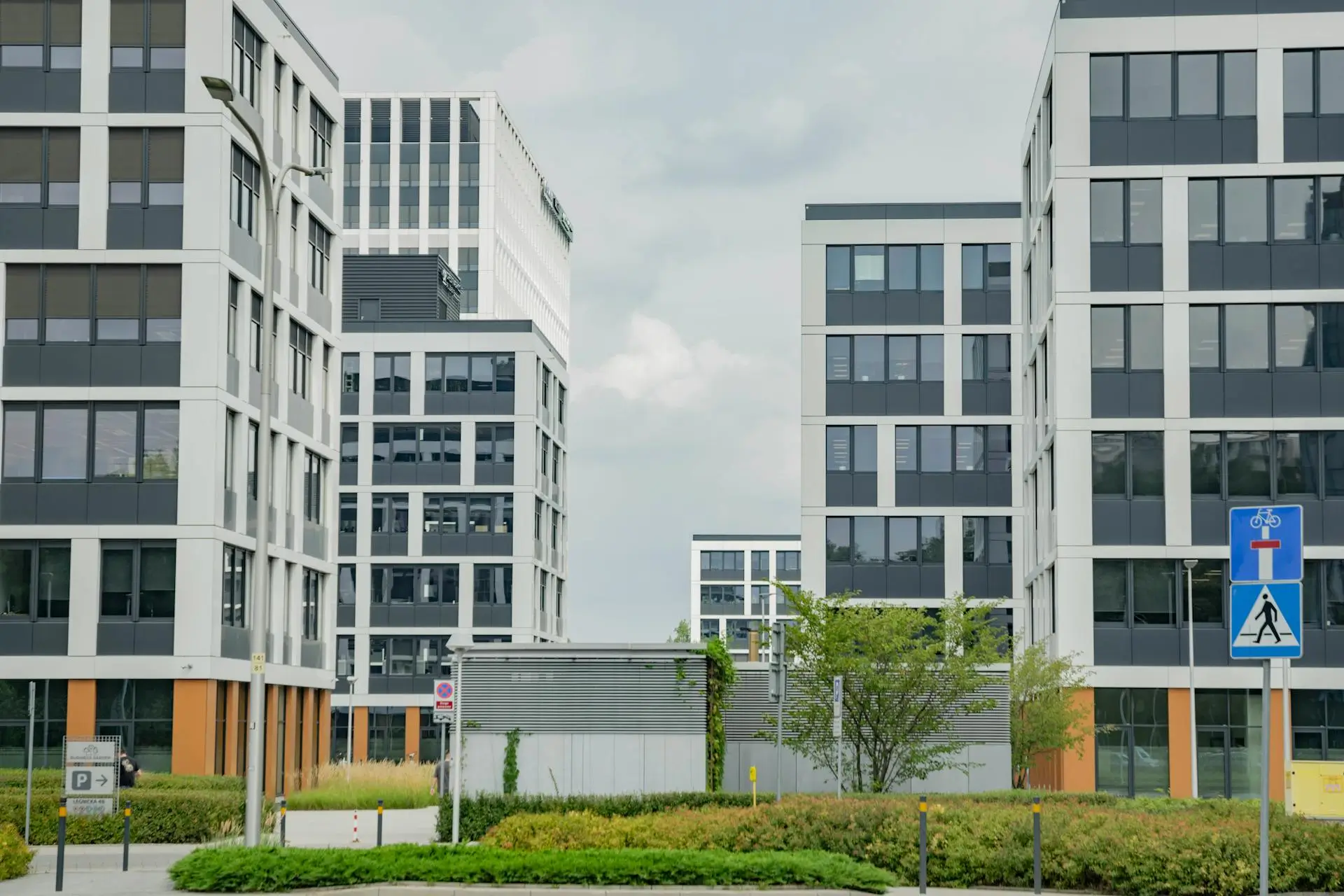
Storefront & Strip Retail
Street-level and strip center space for single-location retailers, where visibility and signage rights typically matter more than square footage alone.

Shopping Centers
Anchor and inline space within multi-tenant retail centers, where co-tenancy mix and shared parking allocation drive customer traffic.
Restaurant & Food Retail
Sites evaluated for grease trap access, ventilation, and outdoor seating rights, since food concepts carry infrastructure needs a standard retail search overlooks.
Before You Sign The LOI
A letter of intent sets the tone for the whole negotiation, and once terms are established there, changing them later becomes much harder. We review it line by line so the landlord’s opening terms are not the terms you settle for, checking rent escalations, tenant improvement allowances, and exclusivity language before anything gets locked in. Landlords typically draft the first version of the LOI to favor their own position, which is normal and expected, but it means the document needs a careful second read from someone representing your interests rather than a quick signature to keep the process moving.
Renewal Season
Retail Leases Renew On The Landlord's Terms Unless You Push Back
Percentage rent breakpoints, CAM caps, and co-tenancy protections all get renegotiated at renewal, and most tenants approach that conversation with less leverage than they actually have simply because nobody built the case ahead of time. We build the case for better terms months before the deadline, pulling current market comparables for similar retail space in your area and identifying which of your existing lease provisions are already below market and which ones are worth trading away for something more valuable. Waiting until thirty days before your option expires puts you in a weak negotiating position by default, since the landlord knows relocating a retail operation takes far longer than that. Starting early changes the entire tone of the conversation, and it is the difference between accepting whatever renewal terms get offered and actually negotiating them. It also gives you time to genuinely evaluate alternative sites as a real fallback, rather than a bluff the landlord can see through, since a tenant with nowhere else realistic to go has already lost most of their negotiating position before the conversation even begins.
How Retail Consulting Engagements Work
A clear process keeps site selection or renewal on schedule, with visibility into each stage so you always know what happens next. We built it this way because retail decisions often move quickly once a strong site becomes available, and a slow or unclear process can cost you the opportunity entirely.
Concept Review
We learn your customer profile, format, and operational requirements, including any equipment or layout needs specific to your concept.
Site Screening
We compare traffic counts, co-tenants, and lease terms across candidates, narrowing the list to sites that genuinely fit your customer base.
Negotiation
We push back on CAM, percentage rent, and exclusivity language on your behalf, using current market comparables to support each request.
Build-Out Handoff
We stay engaged through lease execution so build-out starts on schedule, rather than stalling while permits and improvement allowances get sorted out separately.
Retail Consulting Services
Support at every stage of a retail location’s life cycle, from the first search through eventual expansion or exit.

Site Selection
Matching your concept to sites with the right traffic and co-tenants, verified in person rather than assumed from a leasing brochure.
Renewal Negotiation
Reworking CAM, rent, and protection clauses before your term expires, using market data to support each point of negotiation.
Store Closure Strategy
Reviewing exit clauses and subletting rights when a location underperforms, so closing a store does not create ongoing liability.

Why Retailers Choose Us
We Know What Makes A Retail Site Work
Traffic reports do not tell you if a customer can actually see your sign from the road, or if the tenant next door competes for the same parking spots your customers need. We check both before you sign, walking every site we recommend rather than relying on aerial photos and demographic summaries alone. That on-the-ground verification is what separates a site that looks good on paper from one that actually performs once your doors open. We also track how a center’s tenant mix has shifted over time, since a shopping center that looked strong two years ago can lose its draw once a key anchor tenant closes or a competing center opens nearby, and that kind of context rarely shows up in a standard listing package.
- On-site visibility checks, not just traffic data
- Co-tenancy and lease terms reviewed before you sign
- CAM and percentage rent negotiated on your behalf
- Support through build-out, not just the signed lease
What Working With Us Actually Looks Like
Every retail engagement follows the same three-part structure: understanding your concept and customer, screening sites against real traffic and co-tenancy data, and staying involved through lease signing and build-out. Skipping any one of these steps is how retailers end up locked into a site that looked fine on a demographic report but never performed at the register.
/01
We Learn Your Concept First
Before we screen a single site, we learn your customer profile, format, and operational requirements, since the right location depends entirely on who you are trying to reach.
/02
We Screen Sites And Terms Together
We compare traffic counts, co-tenants, and lease terms side by side, so a site with weak lease language never makes it onto your shortlist just because the location looks strong.
/03
We Stay Through Build-Out
Negotiation, lease execution, and build-out coordination all stay on our plate, so the momentum from signing carries straight through to opening day.
Retail Consulting At A Glance
Who This Is For
Retailers, restaurant operators, and landlords repositioning retail space across a single site or a full portfolio.
Turnaround Time
Site screening typically starts within a week of your first call, with a shortlist ready shortly after.
Coverage Area
Retail corridors nationwide, including shopping centers and standalone storefronts.
Engagement Style
Hands-on through the LOI, lease signing, and build-out handoff, not just through the initial site tour.
Frequently Asked Questions
A standard search hands you a list of available spaces that match your budget and general location preferences. Retail consulting goes further, evaluating co-tenants, visibility, parking, and lease structure against your specific concept before you ever tour a site, so the shortlist you receive is already filtered for genuine fit rather than simple availability. That upfront filtering saves time later, since touring a dozen sites that were never going to work for your concept wastes far more effort than a narrower, better-qualified list from the start. It also means the negotiation that follows starts from a stronger position, since you are working from sites that already fit rather than compromising on a location that was never quite right.
Very. The tenants around you can drive your traffic or compete for the same customer and parking spots, and a shopping center with the wrong tenant mix can quietly cap your revenue regardless of how strong your own concept is. We review co-tenancy agreements and existing tenant mix before recommending any retail site, and we check whether your lease grants any co-tenancy protection if a key anchor tenant later leaves the center, since that protection can materially affect your rent obligation if the center’s draw weakens over time.
Yes. Common area maintenance charges are one of the most frequently under-negotiated parts of a retail lease, and landlords rarely volunteer a breakdown unless a tenant asks. We review the landlord’s CAM history and push for caps, exclusions, or audit rights where the numbers do not add up, since an uncapped CAM clause can quietly erode the value of a favorable base rent over the life of a lease. Reviewing several years of CAM statements before signing often reveals patterns a single year’s estimate would not show.
Yes. Food retail has its own site requirements, including grease trap access, ventilation capacity, and outdoor seating rights, and we factor these in before recommending a location. A site that looks perfect for general retail can be entirely unworkable for a kitchen once the mechanical requirements get considered, so this evaluation happens early rather than after a lease is already signed and a costly retrofit becomes the only option.
We review your existing lease for subletting rights, early termination clauses, and co-tenancy protections, then advise on whether renegotiating, relocating, or closing is the stronger move for the business. Closing a location without checking these terms first can leave you liable for rent on a space you are no longer using, so this review always happens before any exit decision gets made, and it often reveals options a tenant did not realize were available to them.
Start reviewing renewal terms at least six months before your option deadline. That window gives us time to build a market comparison and negotiate before the landlord assumes you have no leverage or alternative options, since waiting until closer to the deadline signals to the landlord that relocating is not realistically on the table for you, which weakens your position before the conversation even starts.
Yes, we advise on both anchor and inline space within shopping centers as well as standalone strip retail and street-level storefronts, since each format carries different lease conventions and co-tenancy considerations worth understanding before you commit, and treating them identically tends to miss format-specific risks worth flagging.
Share your concept, target area, and timeline on a discovery call, and we will tell you honestly what the current market looks like for your format before recommending next steps, including whether the timeline or budget you have in mind is realistic for the areas you are considering, so expectations are set correctly from the outset.
Ready to Find Your Next Property?