

A building looks fine at 2 p.m. on a dry Tuesday. The roof that ponds after every storm, the rooftop unit running on borrowed time, the restroom that fails an accessibility review: none of that shows up in a listing photo. Run this walk-through before an LOI, a lease signature, or a closing, while the findings still carry negotiating weight.
Quick Take: Commercial Property Inspection Checklist
How to Use This Checklist
Two different exercises get called an inspection.
| Commercial Walk-Through Checklist | Formal Property Condition Assessment | |
|---|---|---|
| Who performs it | Broker, tenant, or owner’s rep | Licensed commercial inspector or engineer |
| Duration | One to two hours | A day or more, depending on building size |
| Cost | Free | Paid, scope-dependent |
| Output | Visual screening, no written report | Written report with photos and cost estimates |
| Purpose | Decide whether the building deserves the next step | Documented due diligence, often lender-required |
This checklist supports the first and prepares you for the second. It does not replace an inspector’s report. Its job is to tell you which specialists to call and which items belong in your negotiation.
The walk-through itself follows the same general framework as the International Standards of Practice for Inspecting Commercial Properties (ComSOP), the industry-recognized guideline commercial inspectors use to define inspection scope, adapted here for a broker or tenant to run without certification.
Print it or load it on a tablet, photograph every deficiency with a timestamp, and note the room or elevation. Schedule the walk early in the due diligence window so you still have time to price repairs before the objection deadline.
Site, Grounds, and Parking
- Asphalt and concrete: alligator cracking, potholes, settled areas, faded striping, age of the last sealcoat
- Drainage: grade falling away from the slab, clear catch basins, standing water 24 hours after rain
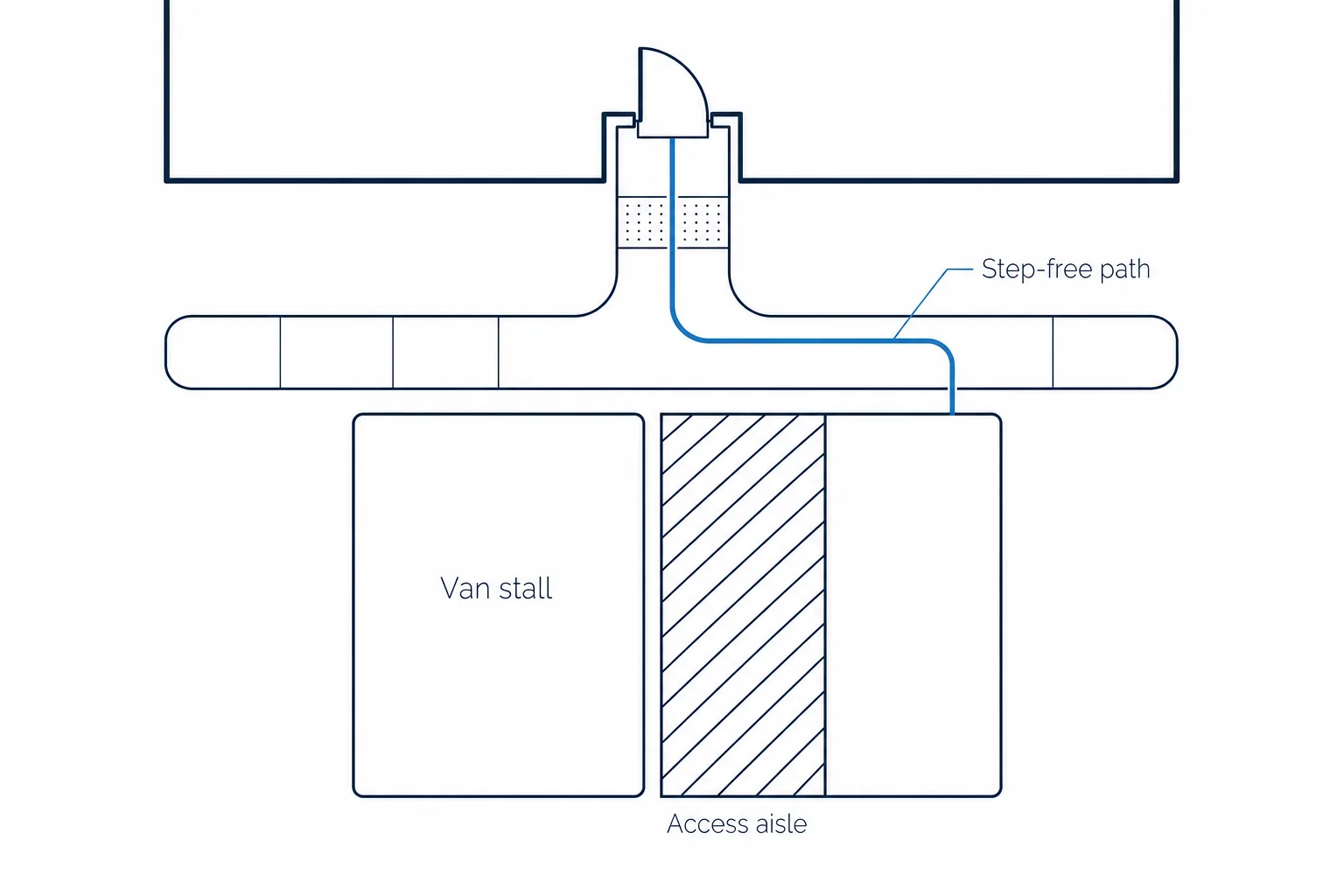
- Accessible parking: stall count against total spaces, van stall with access aisle, and a step-free path from stall to entrance
- Exterior lighting: pole and base condition, dark fixtures, actual coverage after dark
- Signage: monument or pylon rights, panel condition, and whether sign rights convey with the space
- Loading: dock levelers, seals, bumpers, bollards, and truck turning radius for your delivery vehicles
Structure and Foundation
- Step cracking in masonry, vertical cracks wider than a credit card, differential settlement, efflorescence, moisture staining at the slab edge
- Steel column bases for corrosion, bar joists, visible beam deflection, damaged fireproofing above the ceiling
- Slab cracking or heaving, plus saw cuts and patches that often signal past plumbing repairs or prior build-outs
- Added rooftop loads (new HVAC, solar, screen walls) that may never have been engineered
- Prior structural reports, retrofit records, and permits pulled for structural work
Building Envelope: Roof, Walls, and Windows
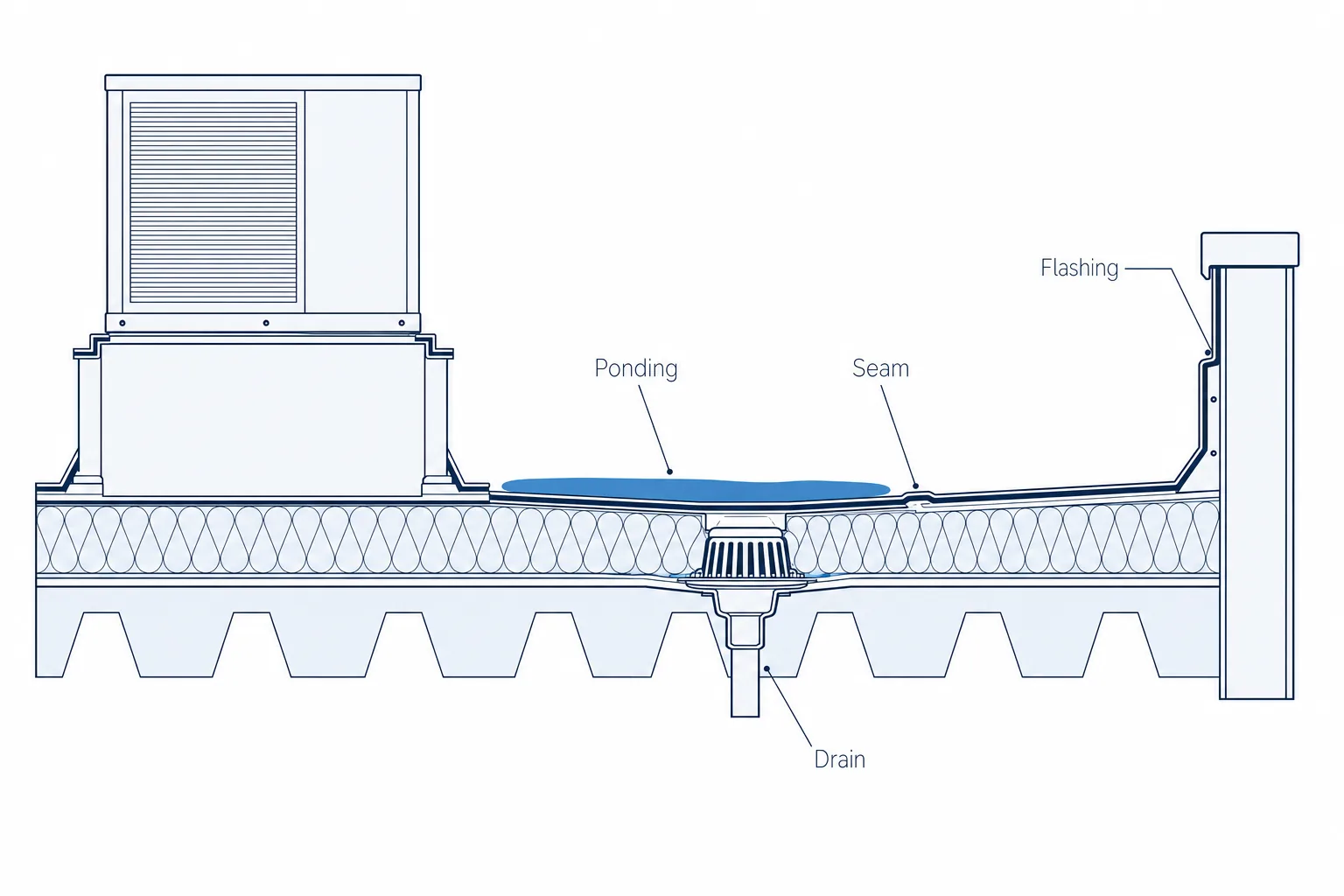
Give the roof real time. Almost nothing about its condition is visible from the ground.
- Membrane type (TPO, EPDM, modified bitumen, built-up), blisters, punctures, open seams, patched areas
- Ponding still present 48 hours after rain, plus flashing, counterflashing, pitch pans, and curb condition
- Documented roof age, remaining service life, warranty terms, and whether the warranty transfers on sale
- Drainage: internal drains, scuppers, overflow drains, downspout discharge away from the foundation
- Walls: mortar joints and tuckpointing needs, EIFS damage, control joints, failed sealant, staining under windows
- Storefront and glazing: failed seals and fogging, gaskets, security film
- Exterior doors: weatherstripping, closers, panic hardware, and gaps letting in water or pests
Mechanical and HVAC Systems
Inventory every unit before you judge any of them: rooftop units, split systems, boilers, chillers, VAV boxes, mini-splits. Record nameplate data, tonnage, and manufacture date from the serial number, then compare age against typical service life so you can budget replacement instead of being surprised by it.
- Compressor noise and vibration, coil cleanliness, condensate drainage, filter racks, belt wear
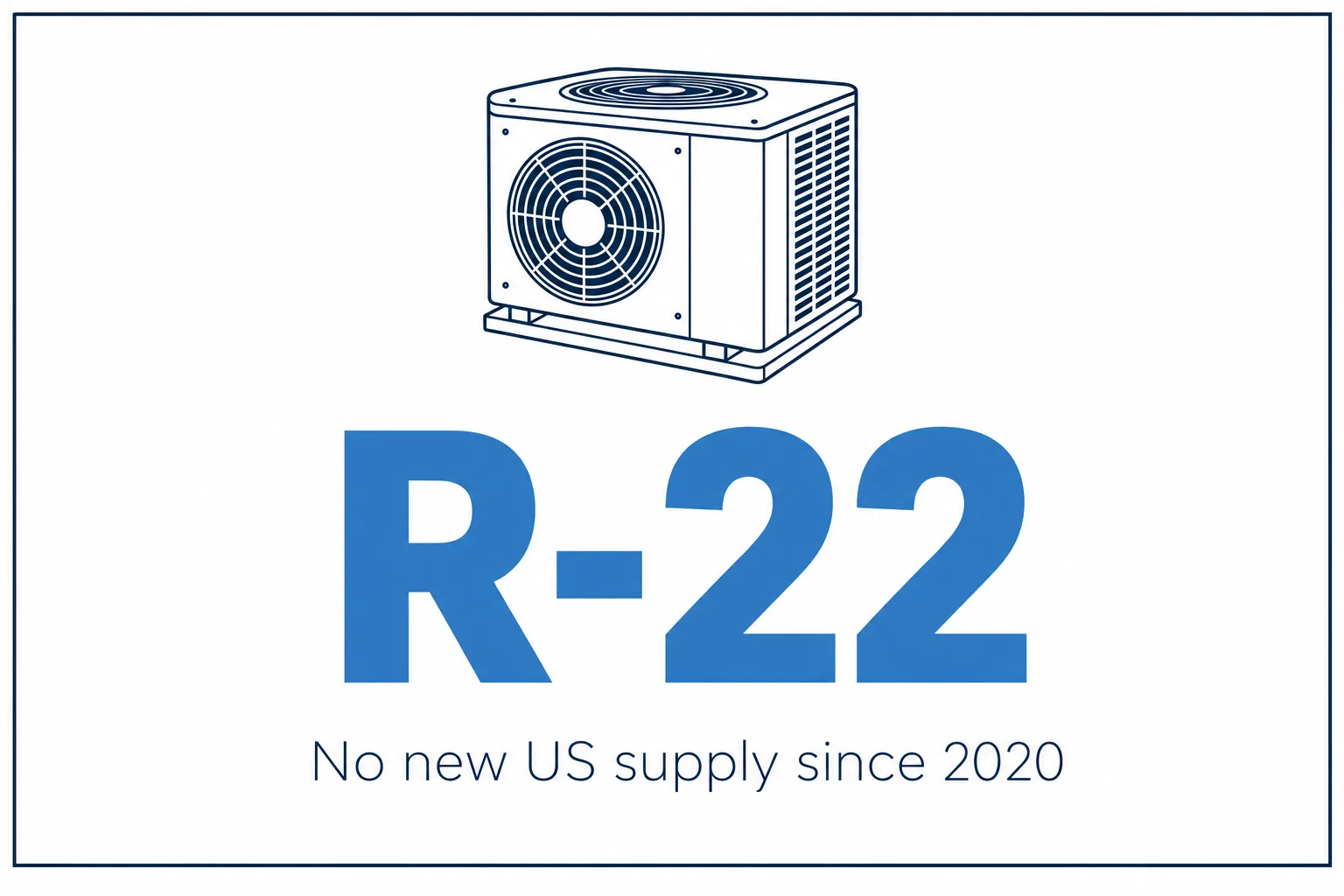
- Refrigerant type. Equipment charged with R-22 is a cost flag: the EPA confirms no new R-22 has been produced or imported in the United States since January 1, 2020, so those units run on reclaimed supply
- Ductwork and insulation, exhaust fans, make-up air, restroom exhaust
- Controls: thermostat accuracy, zoning, building automation access, after-hours HVAC and who pays for it
- Two to three years of service records and any existing maintenance contract
Electrical Systems and Capacity
- Service size in amps and voltage, single-phase versus three-phase, and whether it supports your intended use
- Panels: legible directories, clear working space in front with nothing stored against them, no double-tapped breakers, no scorching or corrosion, plus any obsolete or recalled panel brands
- Wiring: abandoned conduit, open junction boxes, extension cords doing permanent work, aluminum branch wiring in older stock
- Emergency systems: exit signs, battery-backup egress lighting, generator or UPS, transfer switch test records
- Low voltage: IDF and MDF rooms, conduit pathways, fiber availability at the building
If your build-out is equipment-heavy, verify spare panel capacity on the first visit. Adding service later is slow and expensive.
Plumbing and Water
- Main shutoff location and operability, pipe material (copper, galvanized, PEX, cast iron waste), visible corrosion, pressure at fixtures
- Water heaters: age, capacity, TPR valve, expansion tank, seismic strapping where required
- Waste: floor drains, cleanout access, grease interceptor for food users, and a sewer scope on older buildings
- Restrooms: fixture count for the occupancy, leaks under lavatories, backflow preventer
- Water intrusion history: stained ceiling tiles, patched drywall, dehumidifiers left running
Fire Protection and Life Safety
- Sprinklers: unobstructed heads with proper clearance, no painted or corroded heads, riser room access, inspector’s test connection, current inspection tags
- Fire alarm: panel in normal condition, no trouble lights, active monitoring contract, last acceptance test on file
- Extinguishers: correct class for the hazard, mounted properly, and a current service tag. NFPA 10 calls for an external maintenance examination on a yearly basis beyond routine visual checks, so a stale tag is a real finding
- Egress: door swing and hardware, illuminated exit signs, clear corridors, posted occupancy load, fire-rated door assemblies with intact labels and working self-closers
- Kitchen hood suppression where applicable
- A certificate of occupancy that matches your intended use, plus the last fire marshal inspection
ADA and Accessibility Compliance
Accessibility is where a cheap building quietly becomes expensive.
- An accessible route from the public way and from parking to the entrance, without steps or excessive slope
- Entrance clear width, opening force, thresholds, and hardware operable without tight grasping or twisting
- Restrooms: turning space, grab bar placement, lavatory knee clearance, insulated drain piping, mirror and dispenser heights
- Reception counters, service windows, and transaction surfaces
- Raised-character and braille signage at permanent rooms
Parking scoping is easy to check yourself: the 2010 ADA Standards set the minimum number of accessible spaces based on the total spaces in the lot or facility, including van-accessible spaces.
Older buildings are not permanently grandfathered. When you alter a space, the altered areas must comply with the ADA Standards, so a build-out can trigger barrier removal you did not budget for. Some states go further, and a commercial property inspection checklist for California has to account for state accessibility requirements that exceed the federal baseline.
Interior Finishes and Tenant Space
- Ceiling grid and stained tiles (stains are leak evidence, not a cosmetic issue)
- Flooring and wall condition, and how much of the existing build-out is reusable versus demolition cost
- Elevator: current state inspection certificate posted in the cab, cab condition, machine room access
- Environmental flags in older stock: suspect asbestos-containing floor tile or pipe insulation, lead paint, mold odor. Test rather than guess
- Security: access control readers, camera coverage, and who owns the alarm panel and the monitoring contract
Documents to Request Alongside the Physical Walk
Most free checklist templates stop at the building. The paperwork half is where deals break.
- Certificate of occupancy, zoning verification letter, permitted use
- As-built drawings, prior tenant improvement permits, and a closed permit history
- Twelve to twenty-four months of utility bills to sanity-check operating expenses
- Roof and HVAC warranties, service contracts, equipment inventories
- Environmental reports, survey, title exceptions, easements
- Existing leases, estoppels, CAM reconciliations, and capital expenditure history
Inspecting Medical, Dental, and Optometry Space
Healthcare build-outs carry items a generic checklist never mentions, and they drive the largest cost swings in the deal.
- Plumbing and drainage at each operatory or exam chair, plus vacuum and compressor room location and noise isolation
- Dedicated circuits and adequate load for imaging equipment, panoramic or CBCT units, sterilizers, and lab equipment
- Lead-lined walls and door assemblies at radiography rooms, with state shielding documentation
- HVAC zoning and ventilation for sterilization areas and lab exhaust
- Amalgam separator and hazardous waste storage for dental users
- Ceiling height and structural capacity for equipment mounts, plus floor loading
- Zoning that permits medical use and parking ratios that support patient volume
In a dental practice relocation or an optometrist office space for lease decision, whether the existing medical build-out is reusable is usually the biggest variable in the budget. A suite with usable plumbing, shielding, and electrical can beat a lower rent down the street, which is why optometry real estate deals deserve a specialist walk before the LOI, not after.
Related readingMedical Practice Expansion Checklist (2026 Guide)Read the guide →Who Should Inspect, and What It Costs
Commercial property inspector certification is a separate credential from residential home inspection, with different training and report standards. Ask any candidate about scope, errors and omissions coverage, and a sample report before you hire.
Expect a team: a certified commercial inspector for the walk-through and report, licensed engineers for structural or MEP deep dives, and roofing or environmental specialists as findings dictate.
If a lender is involved, the deliverable is usually a property condition assessment. ASTM E2018 defines good commercial practice for a baseline property condition assessment, which is what separates a lender-grade report from a checklist walk.
Cost drivers, rather than a made-up number: square footage, building age, number of building systems and tenant suites, report turnaround time, and how many specialty consultants get added.
Turning Findings Into Deal Leverage
A report you file away is wasted money. Sort every deficiency into three buckets.
| Bucket | Example | What It Buys You |
|---|---|---|
| Immediate life-safety or code items | Failed fire alarm, missing egress signage | Non-negotiable, someone has to pay before closing or occupancy |
| Near-term capital replacement | Roof, HVAC, parking lot, elevator | Price reduction, seller credit, escrow holdback, or TI allowance |
| Cosmetic | Worn flooring, faded paint | Note only, don’t spend negotiating leverage here |
Price the first two, then use them. On a purchase, that means a price reduction, a seller credit, an escrow holdback, an extended due diligence period, or walking away. On a lease, it means TI allowance, HVAC repair caps with a warranty period on delivery, roof and structure as express landlord obligations, specific delivery condition language, and free rent if the work runs late.
The leverage expires at the objection deadline. Have someone read the report against the actual lease or purchase agreement while there is still time to ask.