

Before a medical office lease is drafted, one document often determines how favorable the final deal will be: the letter of intent (LOI).
Many healthcare providers focus on rent and lease length, only to discover later that tenant improvements, operating expenses, and renewal terms were never properly addressed.
A well-structured letter of intent medical office lease covers those core business terms before legal drafting begins.
The market context makes this more urgent than ever. Medical office building (MOB) occupancy hit a record 92.7% in 2026 according to JLL, with new construction completions projected to fall 26% that same year (CBRE).
In a market with limited space options, the terms a healthcare tenant secures at the LOI stage are often the terms that define the lease.
What Is a Letter of Intent Medical Office Lease?
A letter of intent medical office lease outlines the proposed terms between a prospective healthcare tenant and a landlord before a formal lease is prepared. Most LOIs are non-binding, which is exactly what makes them useful.
Both parties can negotiate freely, test positions, and surface deal-breakers before legal fees accumulate.
| Letter of Intent | Final Lease | |
| Purpose | Proposed business terms | Legally binding agreement |
| Legal status | Mostly non-binding | Fully enforceable |
| Level of detail | Key financial terms | Full legal language |
| Typical length | 1 to 3 pages | 20 to 60+ pages |
| Negotiation stage | Early, open discussions | After LOI is agreed |
Why the LOI Matters More Than Many Tenants Realize
Issues left unaddressed in the LOI rarely resolve in a tenant’s favor during lease drafting.
A physician who agrees on base rent without addressing buildout responsibilities often finds, at the lease phase, that the landlord’s TI allowance falls far short of actual construction costs.
Average asking rents for medical office space across the top 100 U.S. markets rose approximately 18% between 2018 and 2025, reaching $25.79 per square foot.
Limited supply and consistent demand mean landlords rarely need to concede terms at the lease stage that were not addressed in the LOI.
Knowing how long a medical practice lease should be before negotiations begin is one of the most direct ways to set the tenant’s position from the start.
The Most Important Terms to Include in a Letter of Intent Medical Office Lease
Not every LOI term carries the same weight. Some define long-term costs. Others determine how much flexibility the practice retains.
| Term | Why It Matters | Risk if Ignored |
| Rent and escalations | Sets the long-term cost baseline | Unpredictable rent growth |
| Lease term | Affects TI allowance leverage | Weaker negotiation position |
| TI allowance | Covers the buildout cost gap | Out-of-pocket construction risk |
| CAM and operating expenses | Reveals true occupancy cost | Hidden cost spikes |
| Renewal options | Protects future occupancy rights | Landlord controls renewal pricing |
| Expansion rights | Supports long-term practice growth | Practice locked into original footprint |
Rent Structure and Lease Term
Base rent is the starting point. Annual escalation clauses, typically between 2% and 3% in medical office leases, determine how that number grows over the full term. Over a 10-year lease at 3% annual escalations, total rent cost climbs well above the original figure.
Medical leases typically run seven to ten years, compared to three to five years for standard office tenants. A longer commitment directly justifies a larger TI allowance from the landlord. Renewal options must also be addressed here.
At renewal, tenants face significant rent resets as the gap between in-place rents and current market rates continues to widen.
Tenant Improvement Allowances and Buildout Responsibilities
Medical buildout costs commonly range from $150 to $250 per square foot, depending on market conditions and clinical complexity.
Spaces with imaging suites, procedure rooms, or specialized plumbing can push well beyond that range (Coy Davidson, The Tenant Advisor, 2025).
Standard landlord TI allowances rarely cover the full construction cost.
A tenant improvement allowance for dental offices reflects the same dynamic seen across all healthcare settings: the size of the landlord contribution is tied to the length of the lease commitment, not the request itself.
At the LOI stage, both parties should agree on who manages construction, what the allowance covers, and how any cost overruns are treated.
| TI Delivery Type | Who Manages Construction | Cost Risk to Tenant |
| Turnkey | Landlord | Low |
| TI allowance | Tenant | Medium to high |
| Build-to-suit | Landlord (custom scope) | Low |
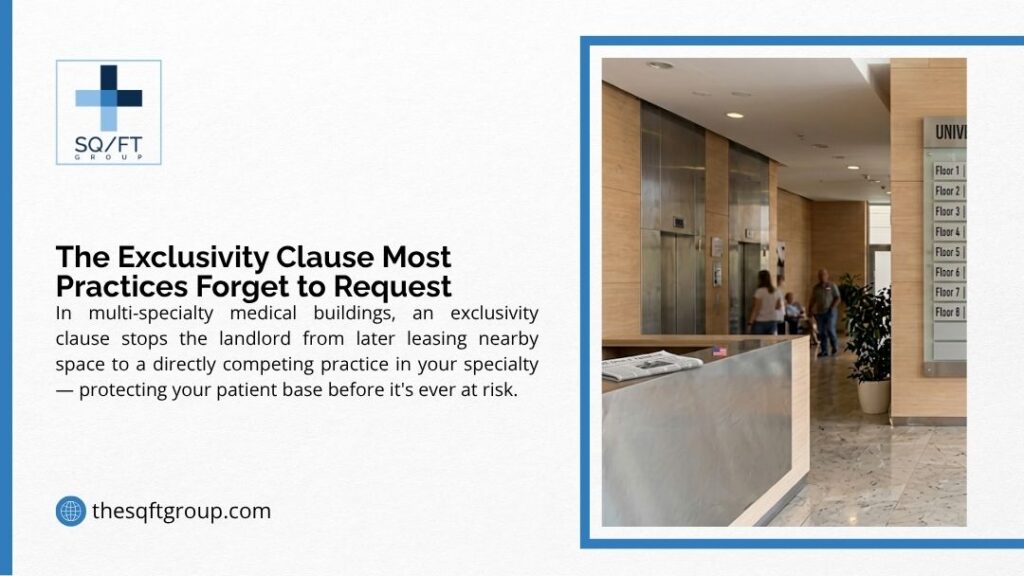
Operating Expenses and CAM Charges
On a NNN lease, operating expenses including taxes, insurance, and common area maintenance can add approximately $12 per square foot annually (Residency Advisor, 2026).
A full-service gross lease that appears to simplify the cost structure can still reach $40 to $42 per square foot in effective rent by year five, once property tax and insurance escalations are passed through.
CAM charges for medical office space require specific attention because healthcare tenants carry greater utility loads and higher common area use than standard office tenants.
Request a written cap on controllable expenses and audit rights in the LOI, before any lease draft is circulated.
Renewal Rights, Expansion Rights, and Exit Options
Once a medical practice is established in a space, the cost of relocation is substantial. Buildout sunk costs, an established patient base, and regulatory fit all create strong reasons to stay. That same reality gives landlords significant leverage at renewal.
Without a defined renewal structure set at the LOI stage, the landlord controls the terms entirely. Include renewal options with a structured rent adjustment mechanism before the formal lease is drafted. The LOI stage is also the moment to lock in assignment terms that protect a future sale, because landlords rarely soften those clauses later.
How to Negotiate a Medical Office Lease LOI Effectively
The LOI stage is where healthcare tenants have the most room to shape the deal. Once a formal lease draft is in circulation, positions tend to lock quickly.
| Priority | Lease Term | Why Address It Early |
| 1 | TI allowance and buildout scope | Largest financial exposure in the lease |
| 2 | Rent escalations and base rate | Sets the long-term cost baseline |
| 3 | CAM caps and expense structure | Prevents hidden cost increases |
| 4 | Renewal and expansion rights | Protects long-term practice flexibility |
| 5 | Permitted use and assignment | Avoids operational restrictions |
Identify Operational Requirements Before Negotiating
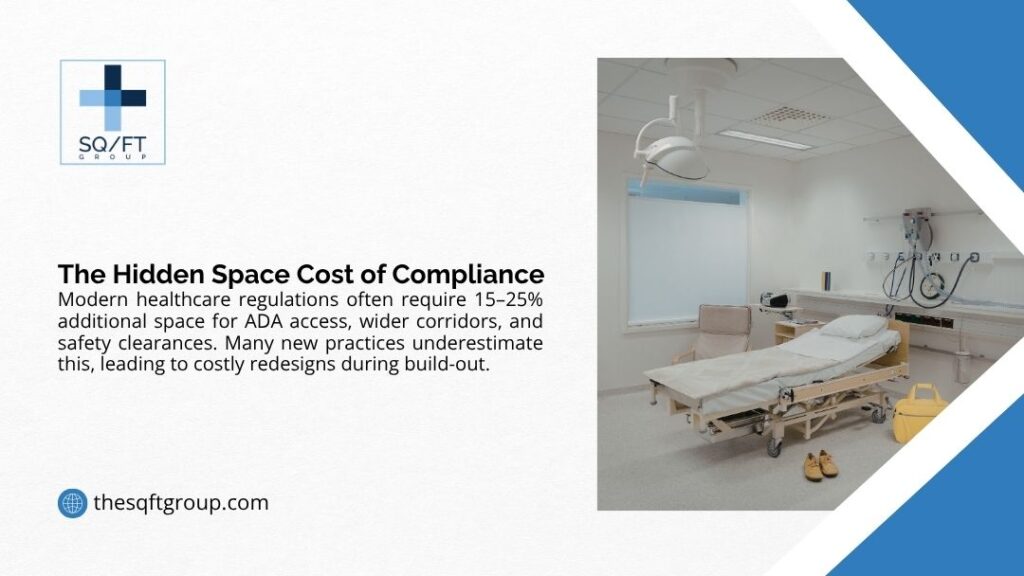
Before any lease term is placed on the table, the practice needs a clear picture of what the space must support. Patient flow, treatment room count, equipment load, parking access, and ADA compliance all determine which properties work and which ones do not.
Choosing a location for a medical practice is a clinical decision as much as a real estate one. Operational gaps found after the LOI is signed cost far more to address than if they had been confirmed before the process started. Our walkthrough on evaluating the space before the LOI separates what you can confirm during a tour from what needs a consultant, architect, or municipal review.
Focus on High-Cost Terms First
Buildout obligations, rent escalations, and operating expense structures carry the largest financial exposure in any medical office lease. Address these before any other term is discussed.
A practice that secures a favorable base rent while missing uncapped CAM charges and a TI shortfall has not secured a good deal. The visible numbers in the LOI are only part of the full cost picture.
Bring Advisors Into the Process Early
A healthcare real estate broker and a real estate attorney should be part of the LOI process before any document is prepared.
With our experience working alongside healthcare tenants across the Northeast, the practices that reach the most favorable outcomes are those that involve advisors at the LOI stage, not after it is signed.
Common Mistakes Healthcare Tenants Make During the LOI Stage
| Mistake | Potential Impact | Better Approach |
| Treating the LOI as a formality | Key terms resurface as disputes in lease drafting | Address all business terms in the LOI |
| Focus only on rent | Hidden costs exceed any rent savings | Include TI, CAM, and restoration terms |
| No plans for practice growth | Practice outgrows space with no exit path | Negotiate expansion and assignment rights early |
| Late advisor involvement | Unfavorable terms locked in before review | Engage broker and attorney before the LOI |
Treating the LOI as a Formality
The LOI is non-binding in most cases, but it is not a formality. It sets the framework for the entire lease. Terms left vague tend to resurface as landlord-favorable provisions in the formal document.
A well-prepared letter of intent medical office lease eliminates that risk before legal drafting ever begins.
Focusing Only on Rent
Rent is the most visible number in any lease discussion. Buildout obligations, pass-through expenses, and end-of-lease restoration costs are not visible unless a tenant asks for them at the LOI stage. Leaving these for the lease draft phase means negotiating from a weaker position.
Ignoring Future Practice Growth
Expansion rights and assignment clauses are straightforward to negotiate at the LOI stage. They become significantly harder and more expensive to add after the lease is signed.
A practice that outgrows its space before the lease expires has very limited options if these terms were never addressed early.
Letter of Intent Medical Office Lease Checklist Before Moving to a Final Lease
Before a lease draft is prepared, confirm these key business terms have already been resolved:
- Rent structure and base rate agreed
- Annual escalation clause confirmed
- TI allowance and delivery method defined
- CAM and operating expense structure addressed
- Cap on controllable expenses negotiated
- Renewal options included with a defined structure
- Expansion rights discussed
- Assignment and subletting terms reviewed
- Permitted use clause confirmed
- Buildout timeline and approval process agreed
Is the Letter of Intent Legally Binding?
Most LOIs include language that renders the core lease terms non-binding. However, specific provisions such as exclusivity periods, no-shop clauses, or confidentiality terms may carry binding obligations.
Before the letter of intent medical office lease is signed, have a real estate attorney confirm which sections are enforceable. This varies by state and by how the specific language is drafted in the document.
Frequently Asked Questions
How long should a medical office lease LOI be?
Most LOIs run one to three pages. A more detailed document covers more business terms upfront, which reduces disputes during the lease drafting phase.
Can I negotiate after signing an LOI?
Terms can still be adjusted after the LOI is signed. However, it establishes the agreed baseline, and landlords tend to resist significant changes once it is finalized.
What should be included in a medical office lease LOI?
A complete letter of intent medical office lease should address rent, lease term, renewal options, TI allowance, operating expense structure, permitted use, and assignment rights. Because assignment terms agreed at the LOI stage carry into the final document, it is worth understanding how medical office lease assignment rights work before you sign anything.
Who prepares the LOI, the landlord or the tenant?
Either party can prepare the initial draft. A tenant-prepared LOI gives the healthcare provider more control over which terms are prioritized and how they are framed from the start.
Should I hire a broker before signing an LOI?
Yes, a healthcare real estate broker should be involved before the LOI is drafted. Their knowledge of comparable deal terms puts the tenant in a stronger position at the most critical stage of any lease transaction.
Ready to Negotiate Your Medical Office Lease the Right Way?
A letter of intent medical office lease sets the terms of your deal before a single clause of the formal lease is drafted. The time to address rent structure, buildout costs, CAM exposure, and renewal rights is at the LOI stage, not after the lease arrives.
If you are currently reviewing options for a medical office lease, the LOI terms should be your first priority before any formal document is prepared.
At SQ/FT Commercial Brokerage, we work with healthcare providers across New York, New Jersey, Connecticut, and the broader New England area.
From site selection to lease negotiation, our team helps medical practices find spaces that fit their clinical needs and long-term growth plans.
If you are at the LOI stage or preparing to enter the market, we are ready to help.