
Commercial Property Inspection Checklist for Buyers
A full commercial property inspection checklist covering roof, HVAC, electrical, plumbing, fire safety and ADA, plus how to turn findings into leverage.



A full commercial property inspection checklist covering roof, HVAC, electrical, plumbing, fire safety and ADA, plus how to turn findings into leverage.

How to evaluate a medical office location before you sign: patient demand, access and parking, zoning, build-out feasibility, and total occupancy cost.
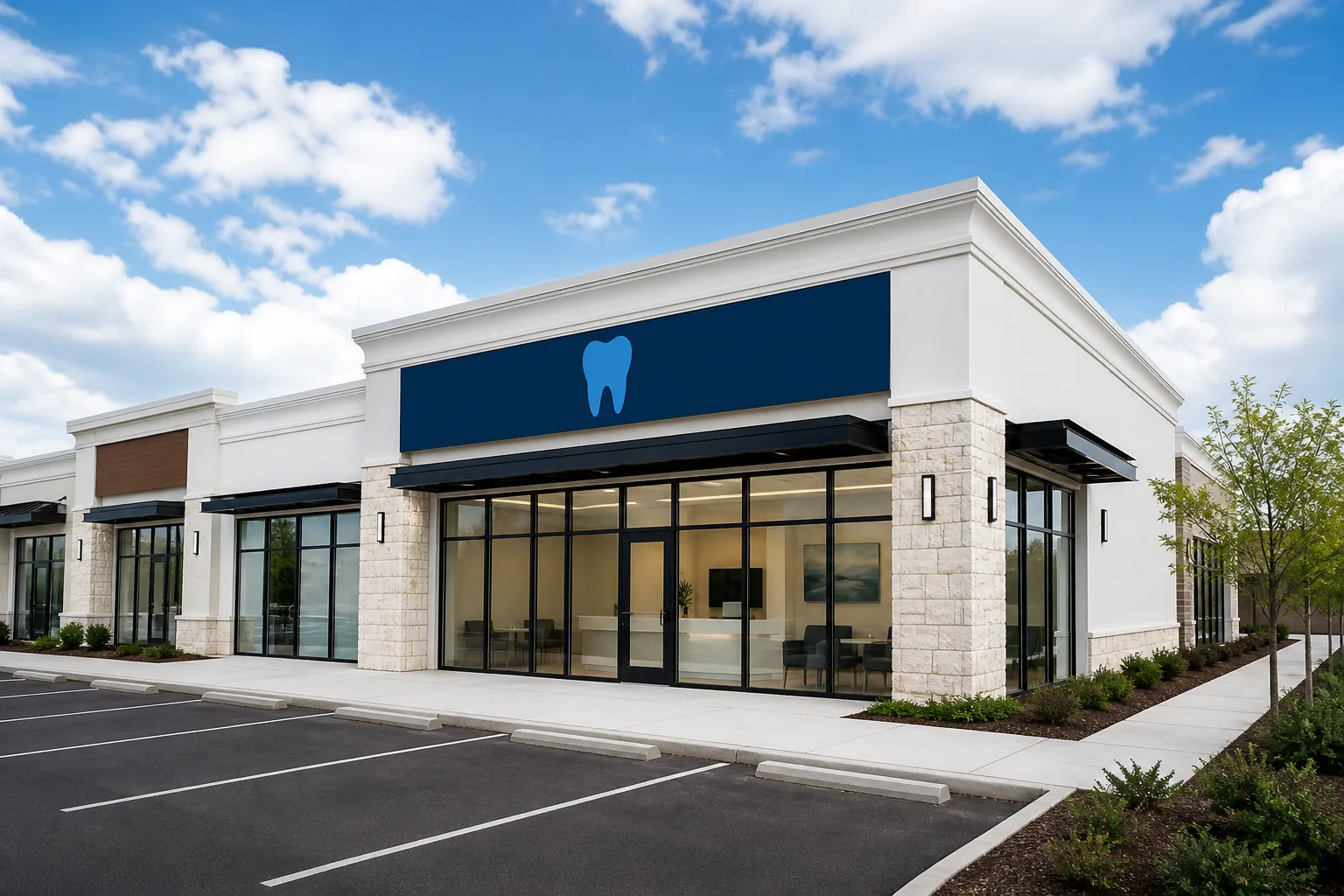
Dental office site selection criteria that decide practice revenue: demographics, competition, visibility, access, build-out and occupancy cost.

Relocating a medical practice is expensive, disruptive, and easy to put off, which is exactly why so many owners wait too long. The signs build up quietly until the space itself becomes the thing limiting your growth. This checklist is for practice owners, physician-partners, and administrators who suspect their location is holding them back and
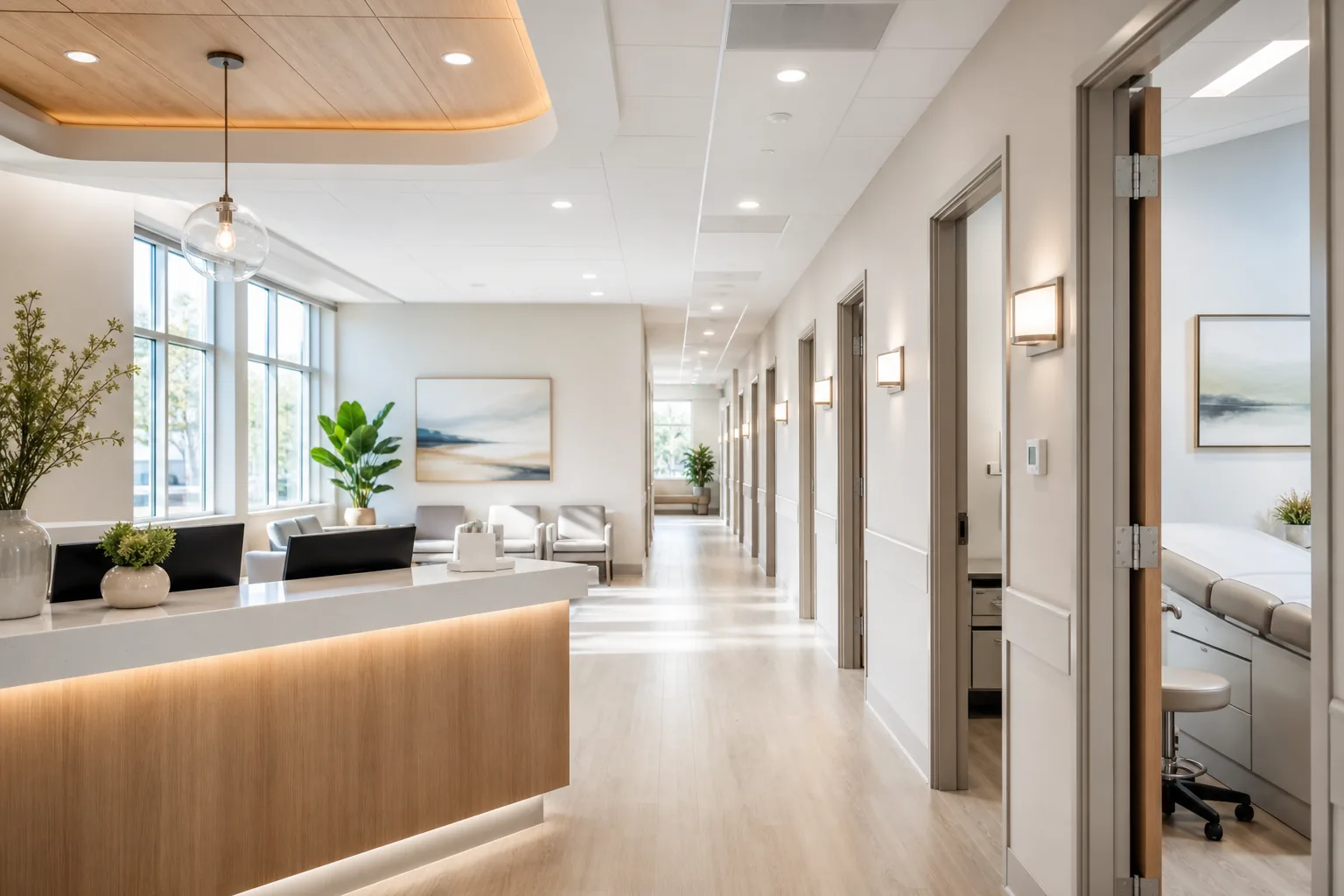
Expansions rarely stall because a practice isn’t ready to see more patients. They stall because the second location’s rooftop HVAC unit can’t handle four new exam rooms, because the permit reviewer flagged the medical-gas plan, or because a “cheap” retail space needed a $40,000 electrical panel upgrade nobody budgeted for. The clinical side of growth

When physicians and dentists prepare to sell, the lease is usually the last item on the list, and that’s the problem. It’s one of the most overlooked variables in a practice sale, and depending on how it’s structured, it can quietly add value or drag your price down. This guide answers the core question directly:
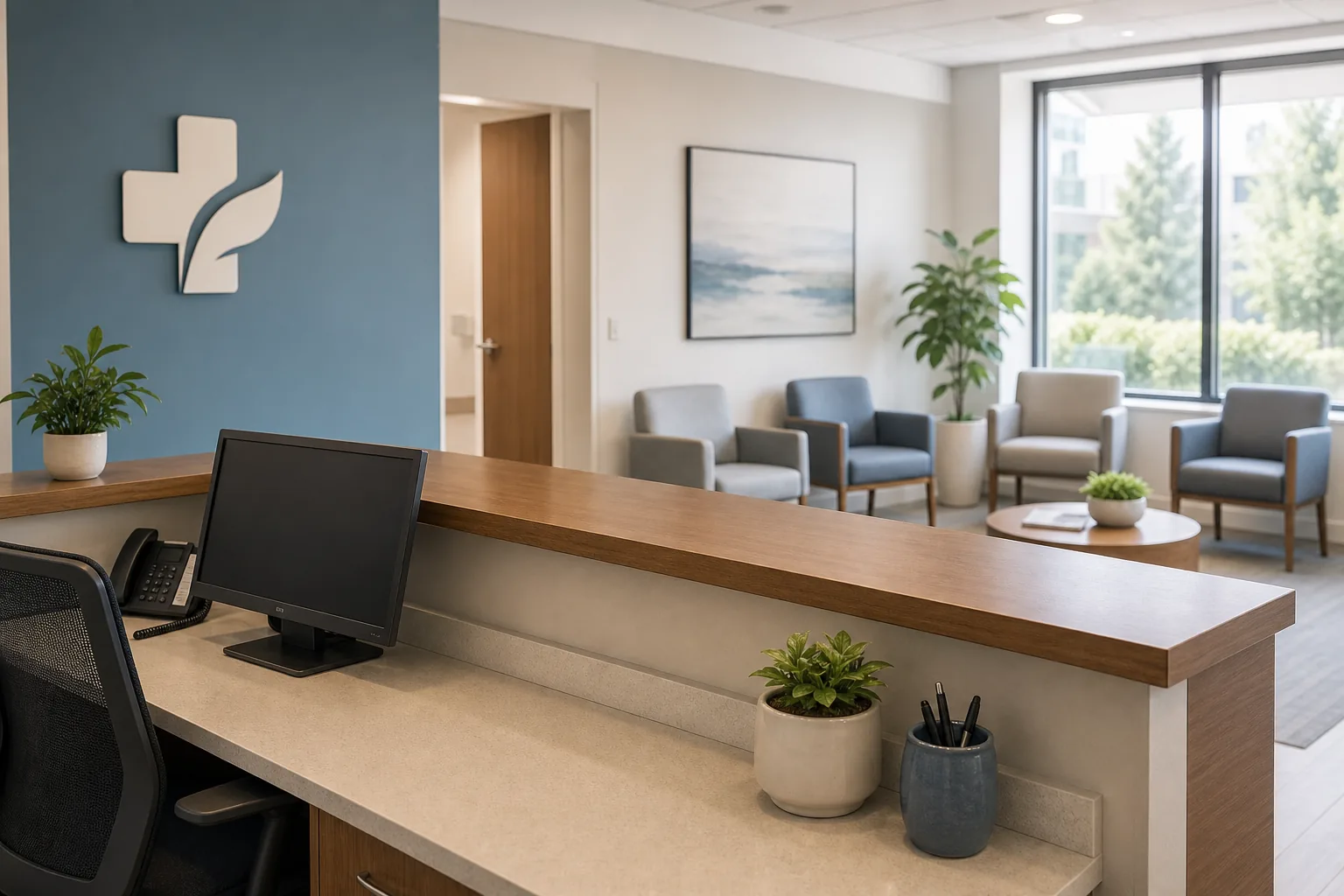
Most HIPAA advice is written for software and paperwork. But the Privacy and Security Rules also shape drywall: where the front desk faces, how far apart two conversations happen, whether a partition runs to the deck or stops at a drop ceiling. If protected health information (PHI) can be overheard, seen on a screen, or

Moving a practice is two projects running at once: an operational build-out and a patient-retention risk. Most of the patient loss is preventable. Attrition rarely comes from the move itself, it comes from patients who never heard about it, a new address that feels too far, or a transition that made their care feel interrupted.

How medical office lease assignment works: transferring your lease when you sell, merge, or relocate a practice, plus liability, clauses, and approval steps.

Learn Zoning Requirements for Medical Offices, including use rules, parking, permits, and approvals so you can avoid costly lease mistakes.